


 One of the three subtypes of Type 6: The Loyal Sceptic
SO6 is the Social subtype of Enneagram Type 6, the Loyal Sceptic. Its key name is Duty.
The shorthand joins an instinct to a type: "SO" is the Social instinct and "6" is Enneagram Type 6. You will also see it written as "Social 6" or "SO 6". It is one of the 27 subtypes in Dr Claudio Naranjo's model, which the iEQ9 uses.
This page describes that model. Read it as a prompt for reflection, not as a rule about any one person.
Sixes value security and belonging, scan for what could go wrong, and are very aware of authority, hoping for its support while questioning it. The Social instinct turns attention to belonging and to one's place in groups. In the SO Six the two combine: the search for security is directed to a trusted system, authority or set of rules.
SO Sixes are rational, careful and dutiful. They connect with social ideals, and often work for a cause or stand up for people who are vulnerable. They value rules, procedures and collective norms, encourage others to keep them, and make sure everyone knows what is expected. A clear framework balances their self-doubt. They can see things in clearer terms of right and wrong than other Sixes, and attention to the shared rule can leave less room for their own feelings. Their reliability holds groups together.
The key name, Duty, is shorthand for where this subtype looks for safety. It is not a summary of the whole person.
In this model the passion of Type 6 is doubt; Oscar Ichazo's original term was fear. It is not a specific fear or an anxiety disorder but a habit of vigilance and questioning, a difficulty trusting oneself, others or the situation. In the SO Six, doubt is answered with a reference point outside oneself, such as a rule or agreed standard.
A youth football club treasurer is asked by a parent to refund season fees after their child's injury in the first month. The club's rules say refunds need committee approval, and the committee does not meet for six weeks. The treasurer replies that nothing can be done until then.
Several readings are possible. The treasurer may be finding security in following the agreed procedure exactly, which is the SO6 pattern. The rule may also be entirely appropriate: it protects club funds and treats every family alike. Or the treasurer may simply have no authority to do anything else.
The useful move is to name the purpose the rule serves, find out who can authorise an exception, and consider whether this case is one.
All three subtypes share the Six's search for security and support in an uncertain world. They differ in where that drive is aimed.
The subtypes overlap. Many Sixes will recognise something in all three descriptions.
SO Sixes can seem like Type One, because they are precise and careful and prefer to follow rules and procedures. One difference lies in what the rule is for: in the One pattern it tends to be about what is right, and in the SO6 pattern about what is safe and reliable, though the two often overlap. Nor is respect for rules evidence of SO6: many roles require compliance, many rules are sound, and serving a cause is not a sign of insecurity.
Equally, the subtype is not rigidity. Read the pattern as trust placed in a shared system, which serves people well until the rule and its purpose come apart.
The next time a rule and the purpose behind it seem to point in different directions, write down the purpose, who could authorise an exception, and what evidence would support one. Then decide whether to ask. Afterwards, notice how it felt to think about the rule from the outside.
This is an experiment to learn from, not a test of whether you are an SO6. Bringing balance to all three instincts is part of subtype work, and the instinct you use least is a useful place to begin. More on the core type is on the Type 6 Loyal Sceptic page.
Reading the descriptions is a good place to start, though subtypes overlap and no description settles it on its own. The iEQ9 reports your subtype alongside your core type. Take the iEQ9 individual assessment, browse all 27 Enneagram subtypes, or read the guide to types and subtypes that get confused. Published research covers the nine core type scales, and research at subtype level is planned.
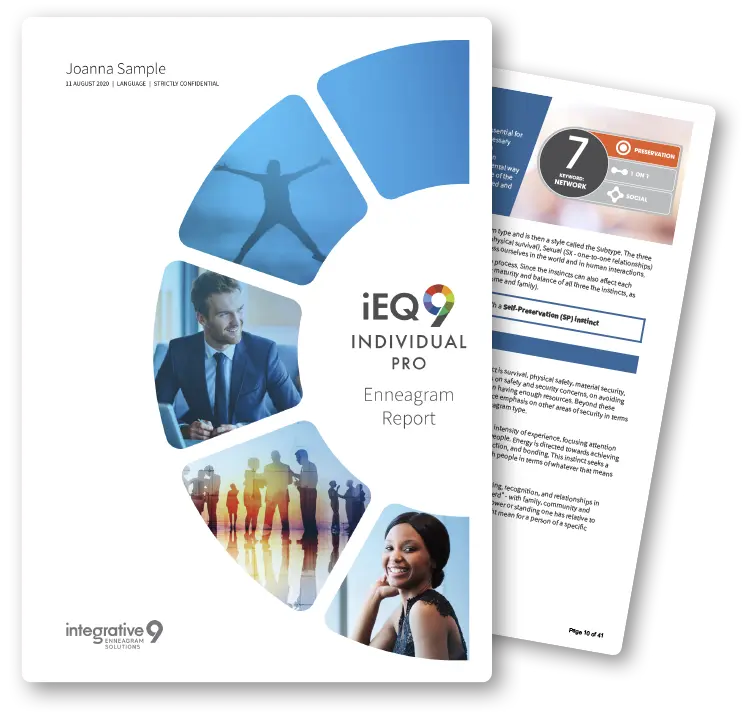
See your type, subtype and growth path in a personalised report. The iEQ9 is an intelligent, dynamically adaptive questionnaire: the questions change based on your answers, so each person answers 175 questions drawn from more than 2,000. It takes about 30 minutes, and your report covers your Enneagram profile, your subtype (one of 27), the Centers, the influence of both neighbouring wing types, Lines, Levels of Integration and six dimensions of Strain. Validated on 63,944 people across five languages. Reports from USD 60. Full refund within 30 days if you haven't opened your assessment link.
Get Your Enneagram Test

 What is the Enneagram?
 Introduction to the 27 Subtypes
 Introduction to the 3 Centers
 Wings
 Lines and Integration
 Enneagram History & Origin
 Enneagram for Myself
 Enneagram for Practitioners
 Enneagram for Business
 iEQ9 Individual Reports
 iEQ9 Team Reports
 iEQ9 Questionnaire
 Training Events
 Level 1 iEQ9 Accreditation
 Level 2 Enneagram Team Dynamics
 International Enneagram Conference
 iEQ9 Community of Practice Events
 About Integrative9
 Meet the Faculty
 Testimonials
 Contact Us
